Design Research Co-op - SP24, SU24, FA24, SP25
Livewell Collaborative
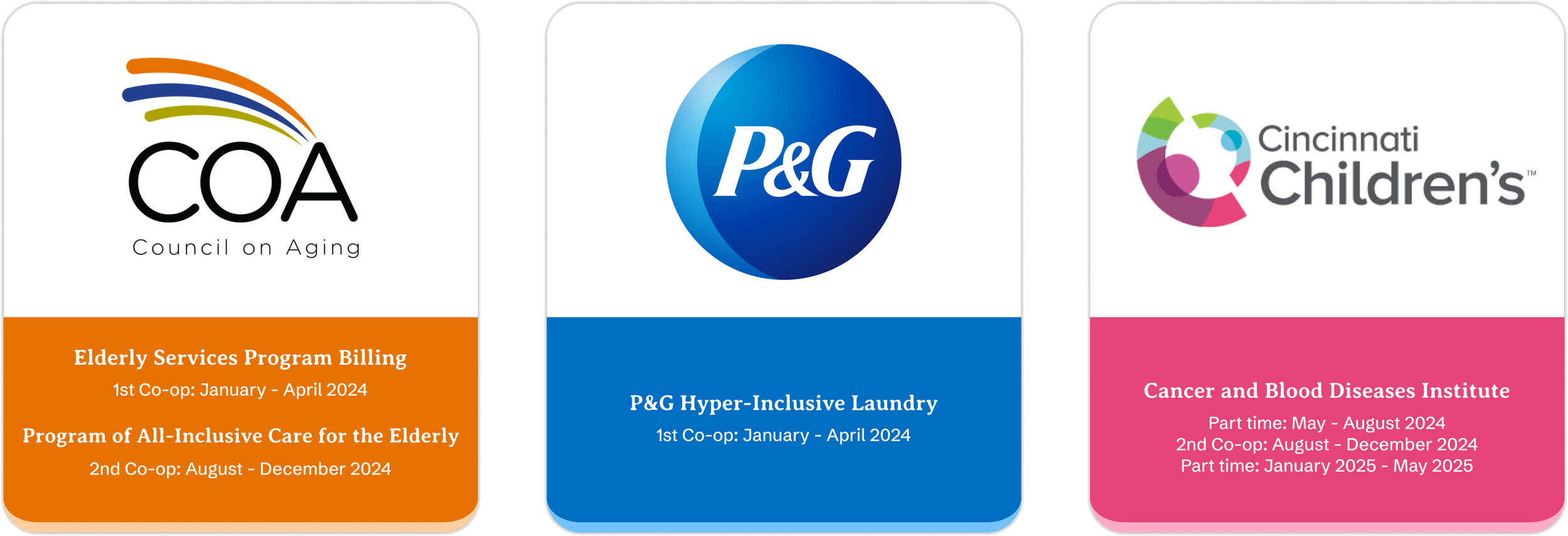
The Live Well Collaborative (LWC), a non-profit founded by the University of Cincinnati and Procter & Gamble, brings together students, faculty, and industry partners to design innovative, user-centered solutions that promote well-being at any age. Each semester, teams apply a hands-on design thinking process: frame, explore, create, to develop new ideas and prototypes in sectors like healthcare and consumer goods within 16 weeks.
Over the past year with Live Well, I’ve worked on five projects: two with the Council on Aging, three with Cincinnati Children’s Cancer and Blood Diseases Institute, and one with Procter & Gamble. Each focused on designing for specific audiences and played a key role in shaping my design approach. While I can’t share project details due to confidentiality, I’d be happy to discuss our process and outcomes in an interview!
Lead In - Frame (Research)
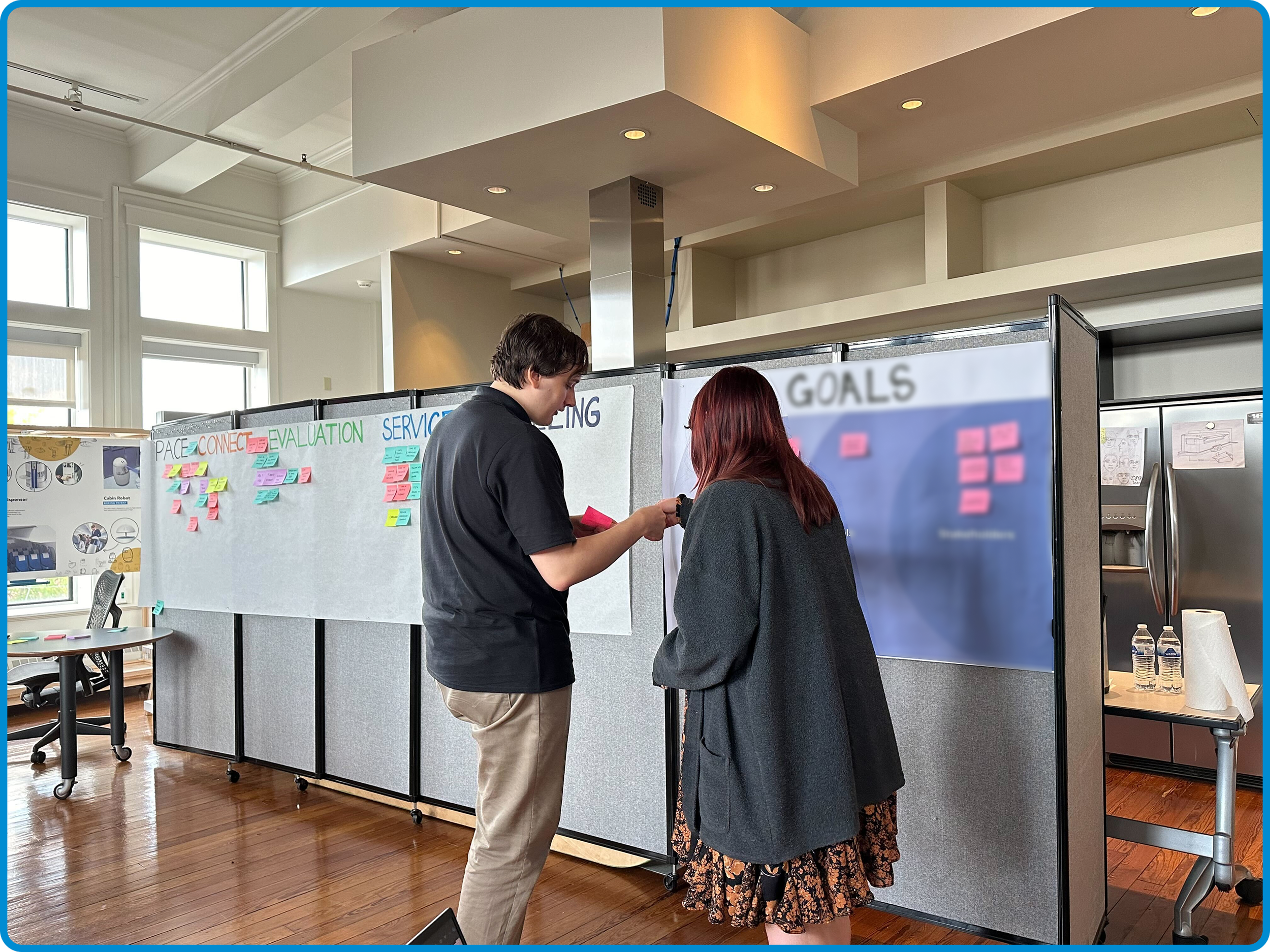
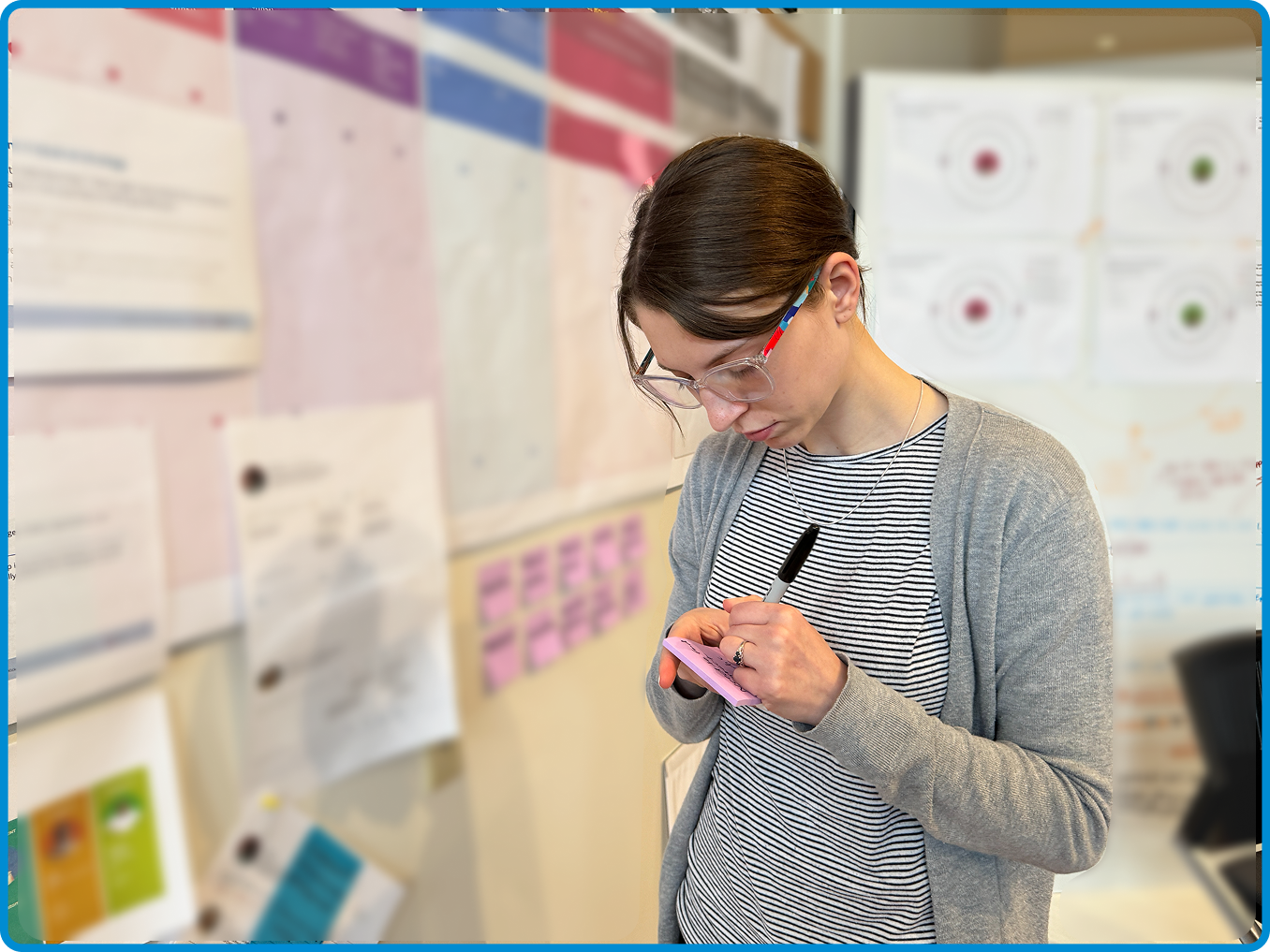
An exploration phase focused on defining the scope of the project. This includes primary and secondary research, empathy building activities, and collaborative goal setting. The objective is to ground the team in user needs, context and challenges to ensure a strong foundation for ideation.
COA PACE FA24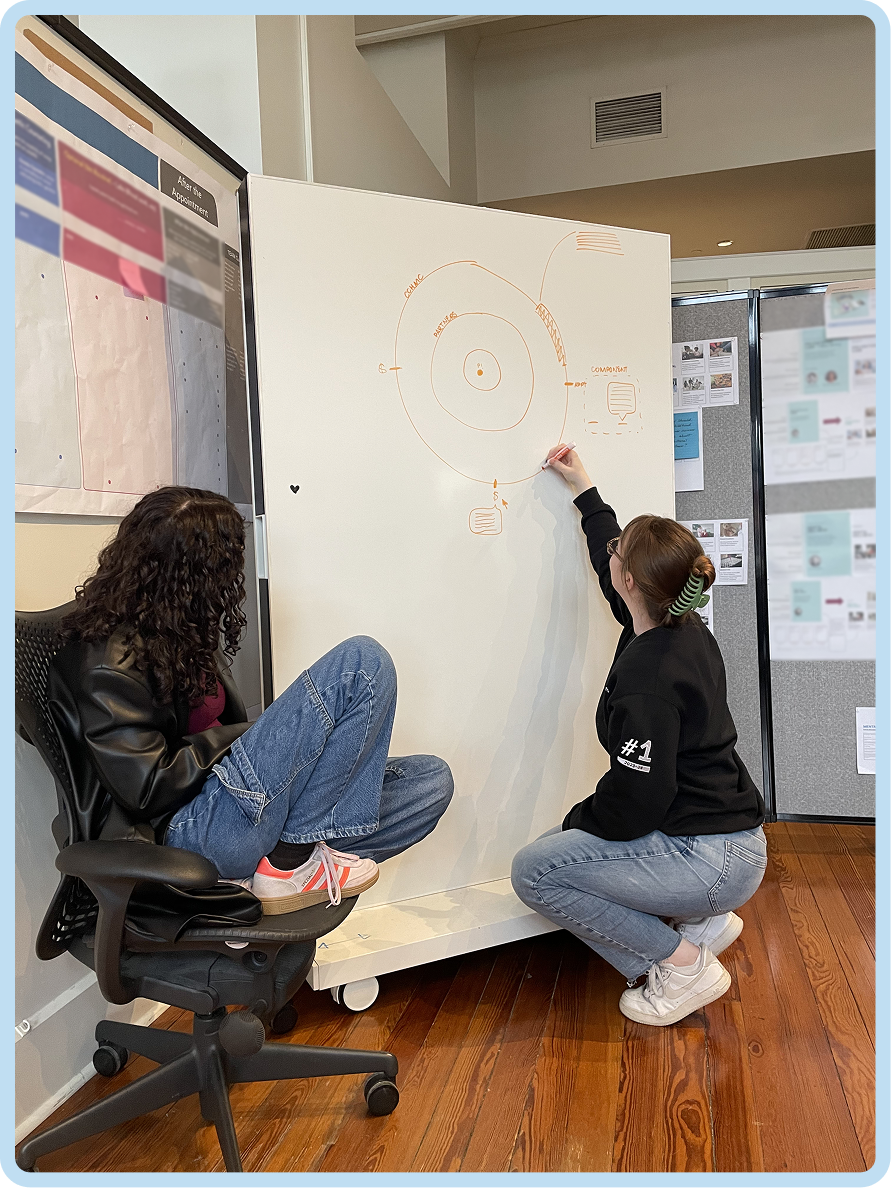
CBDI SP25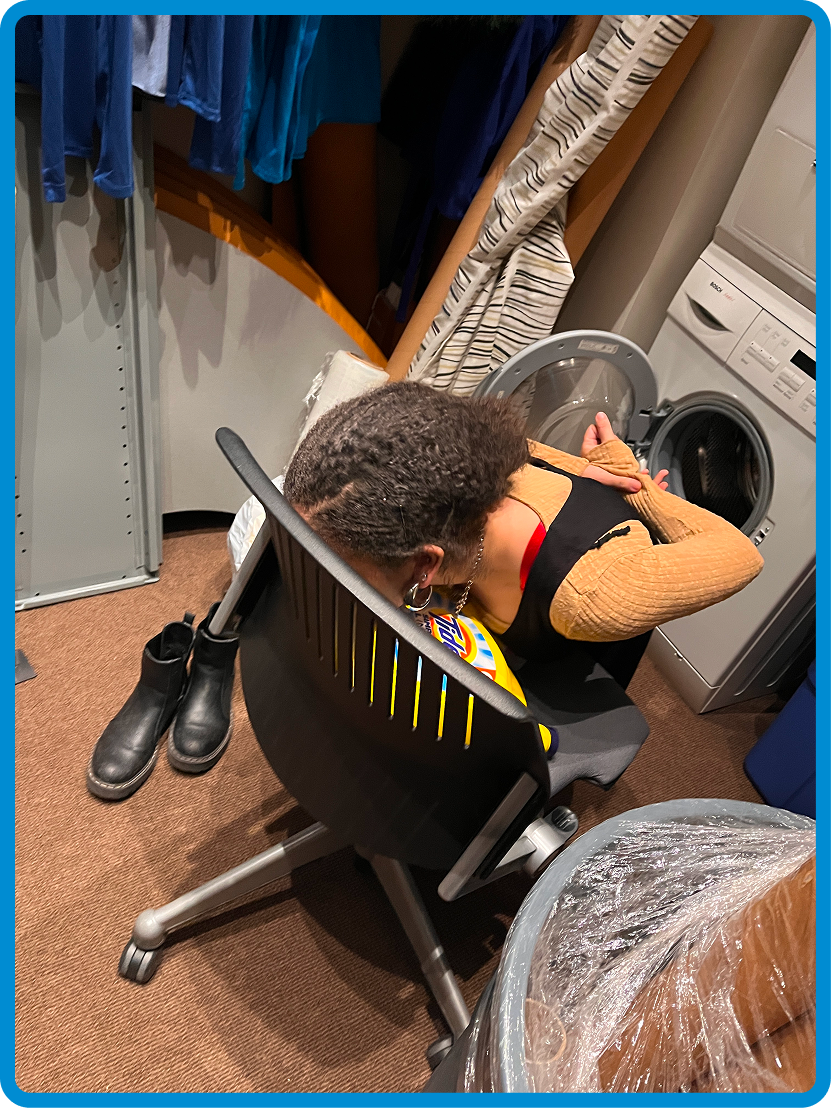
P&G SP24Explore (Ideation)
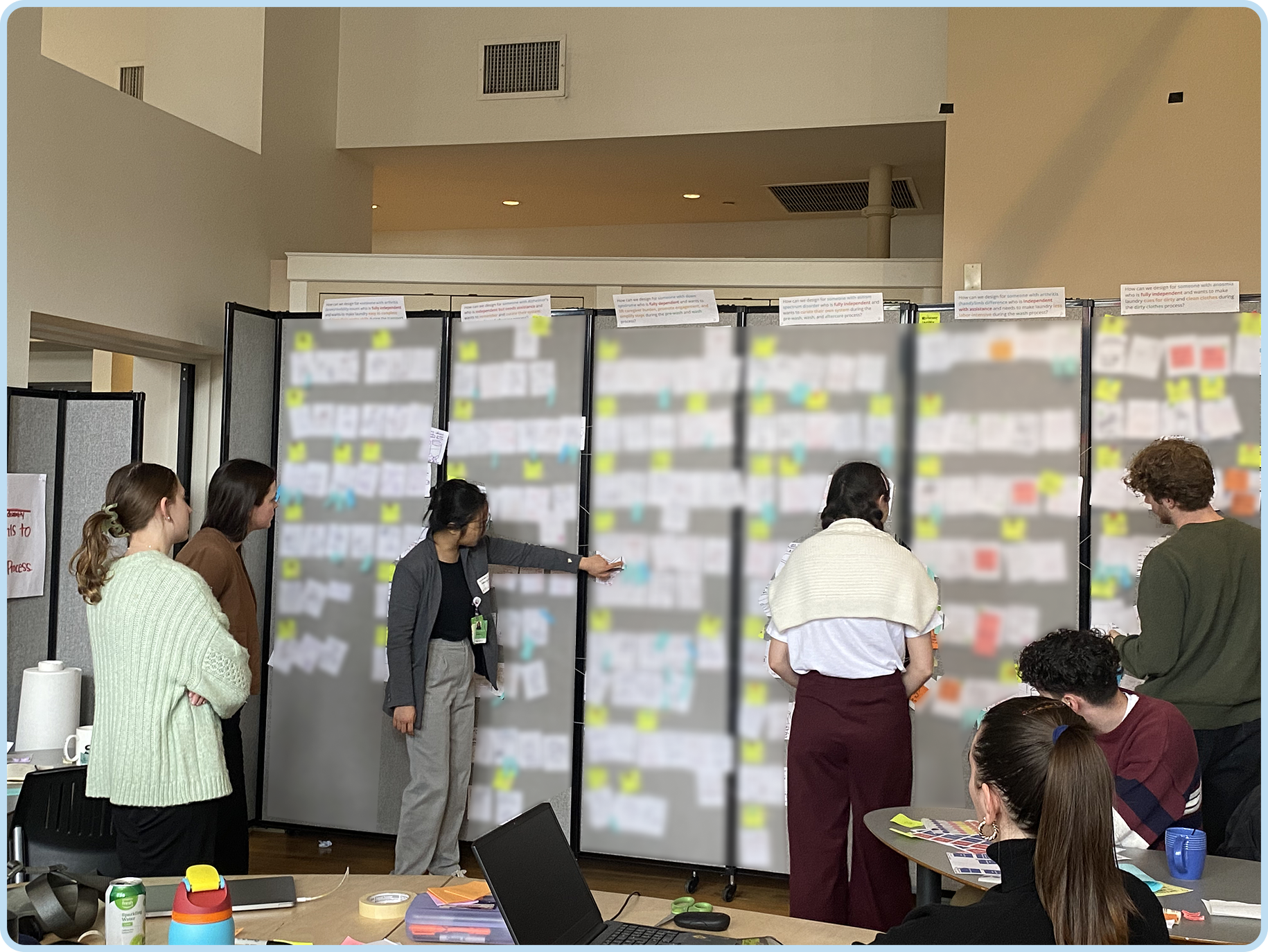
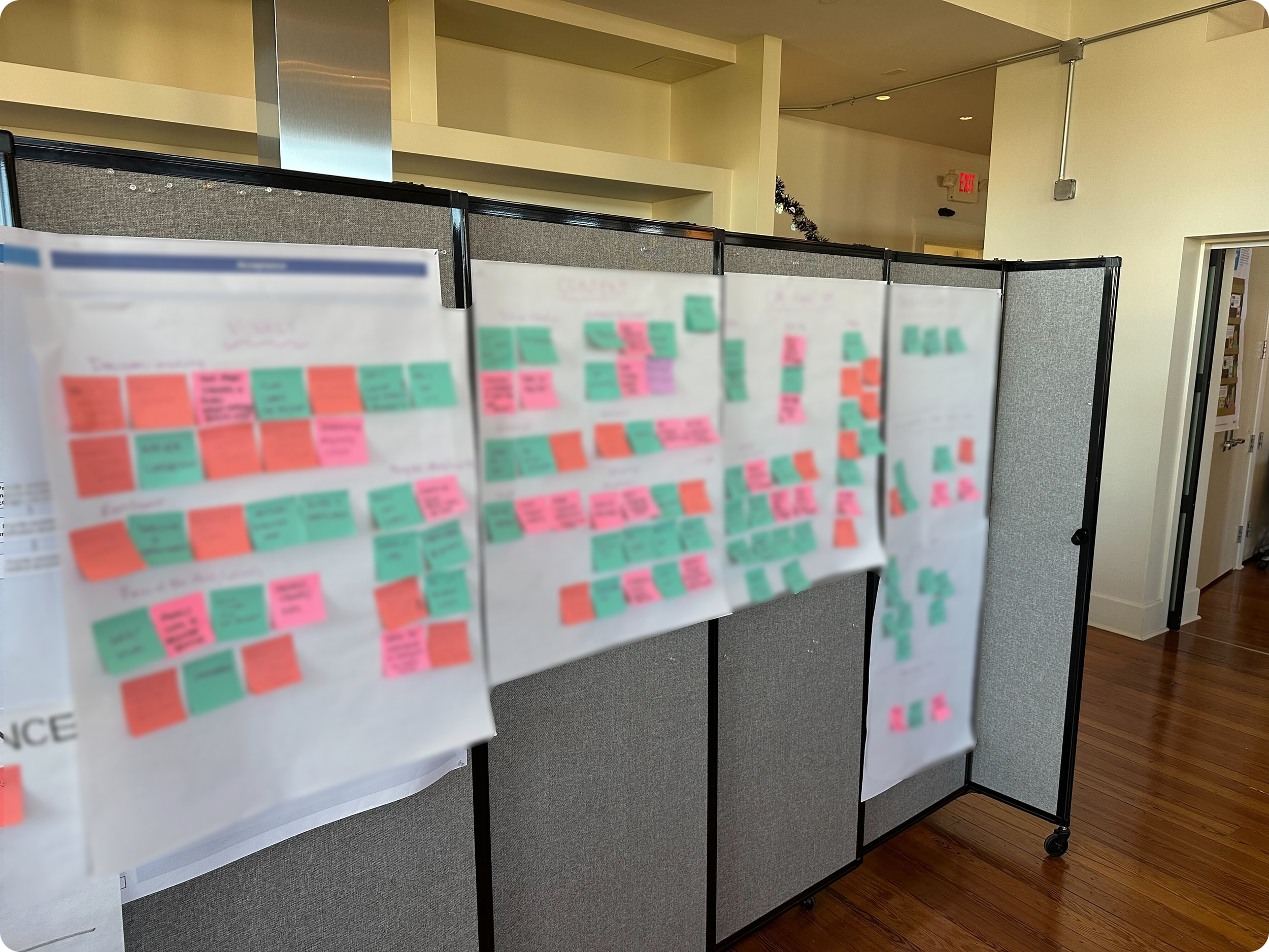
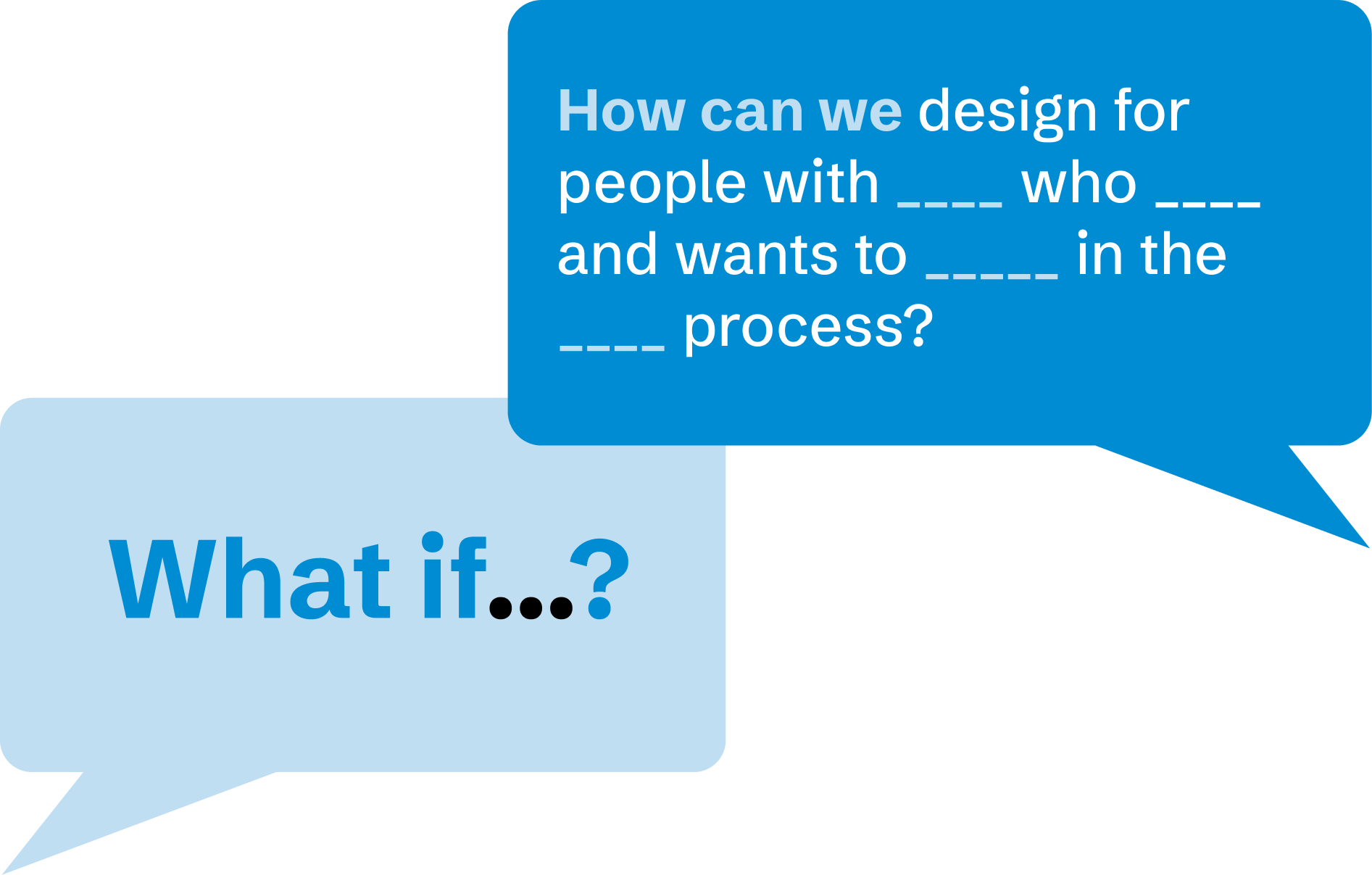
Building on insights from the framing phase, this stage focuses on generating and organizing ideas through tools like journey maps, service blueprints, and heat maps. The goal is to identify meaningful touchpoints and opportunity areas that align with user needs and project objectives.
P&G SP24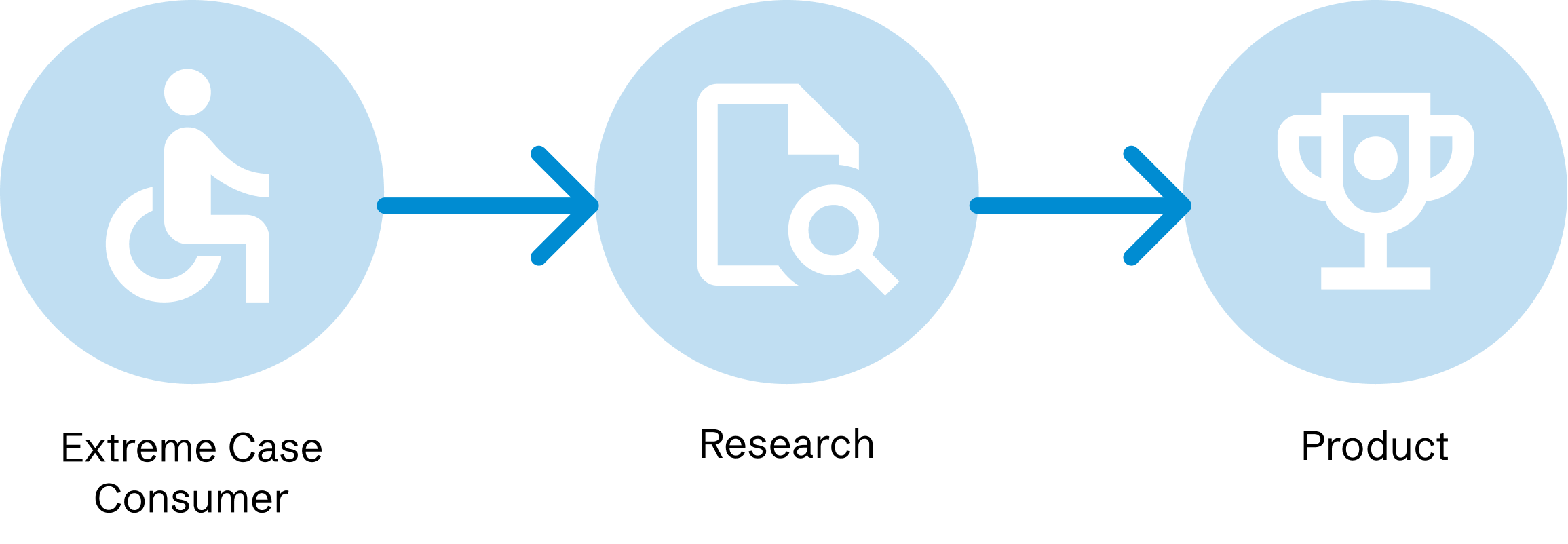
COA PACE FA24CBDI SP25Create (Refine)
Translating key touch points into actionable concepts or deliverables. Depending on the project, this phase may result in prototyped solutions or suggestions that address the original pain points and support next steps.
P&G SP24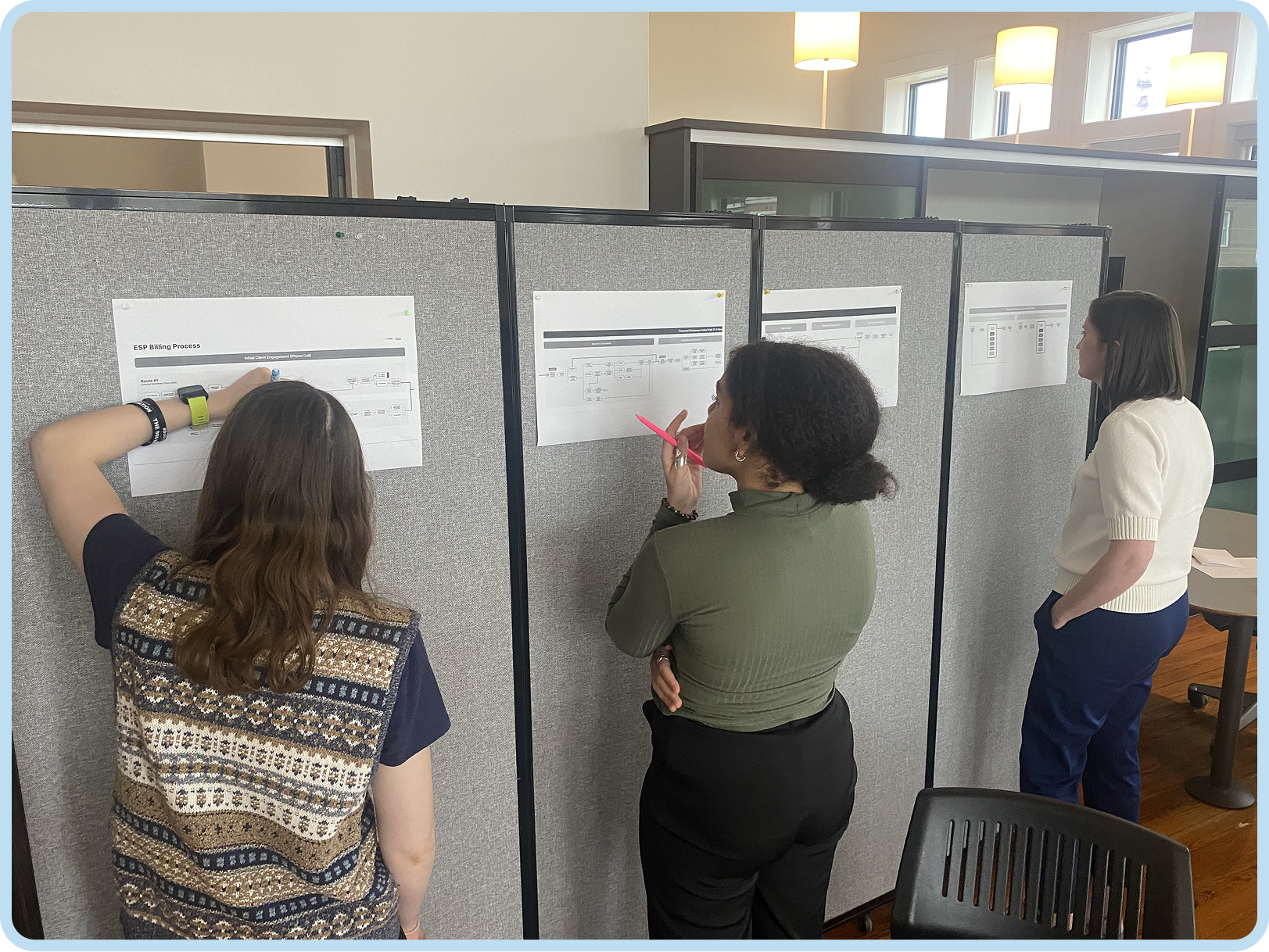
COA ESP BILLING SP24Interdisciplinary Team
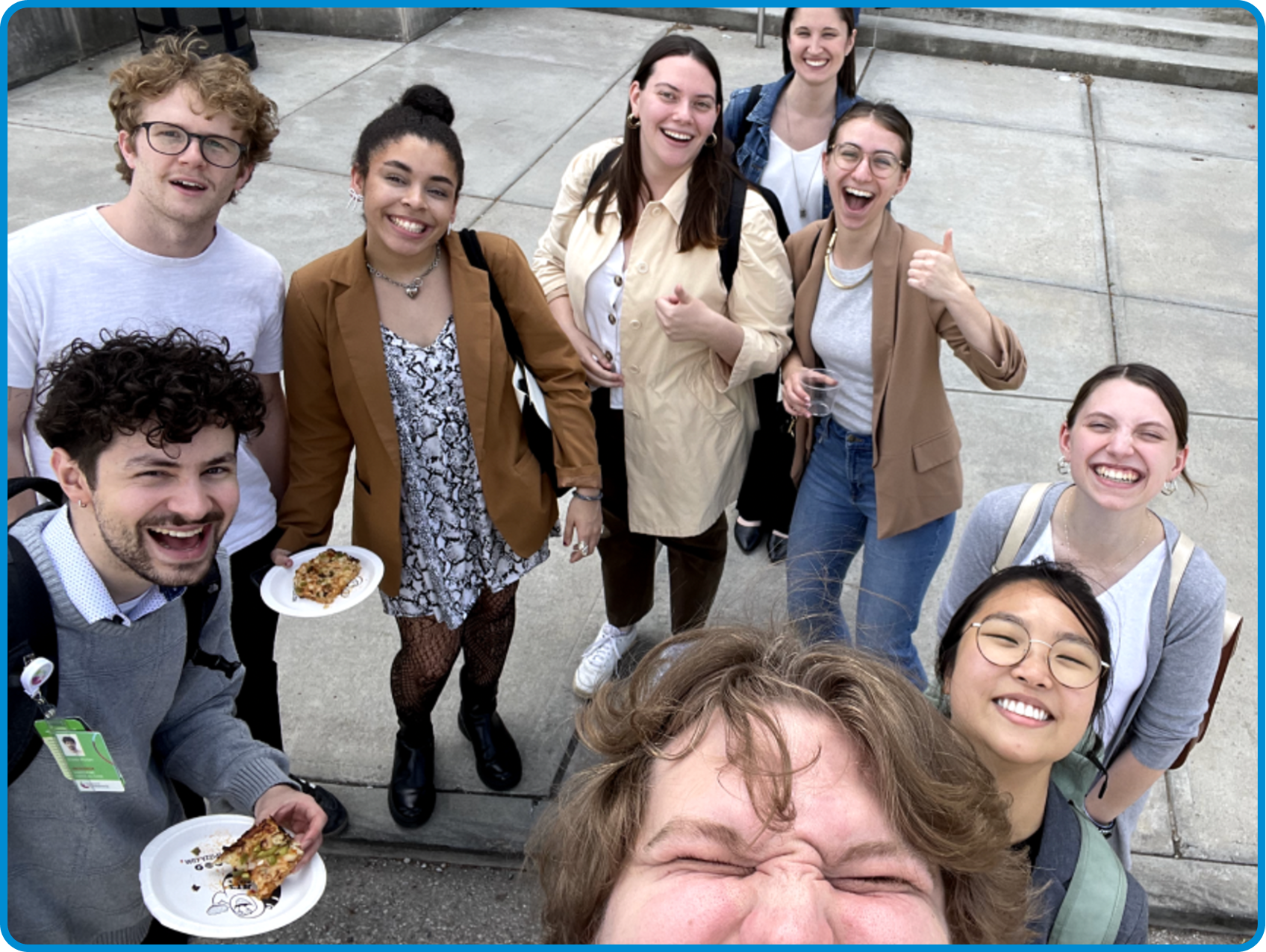
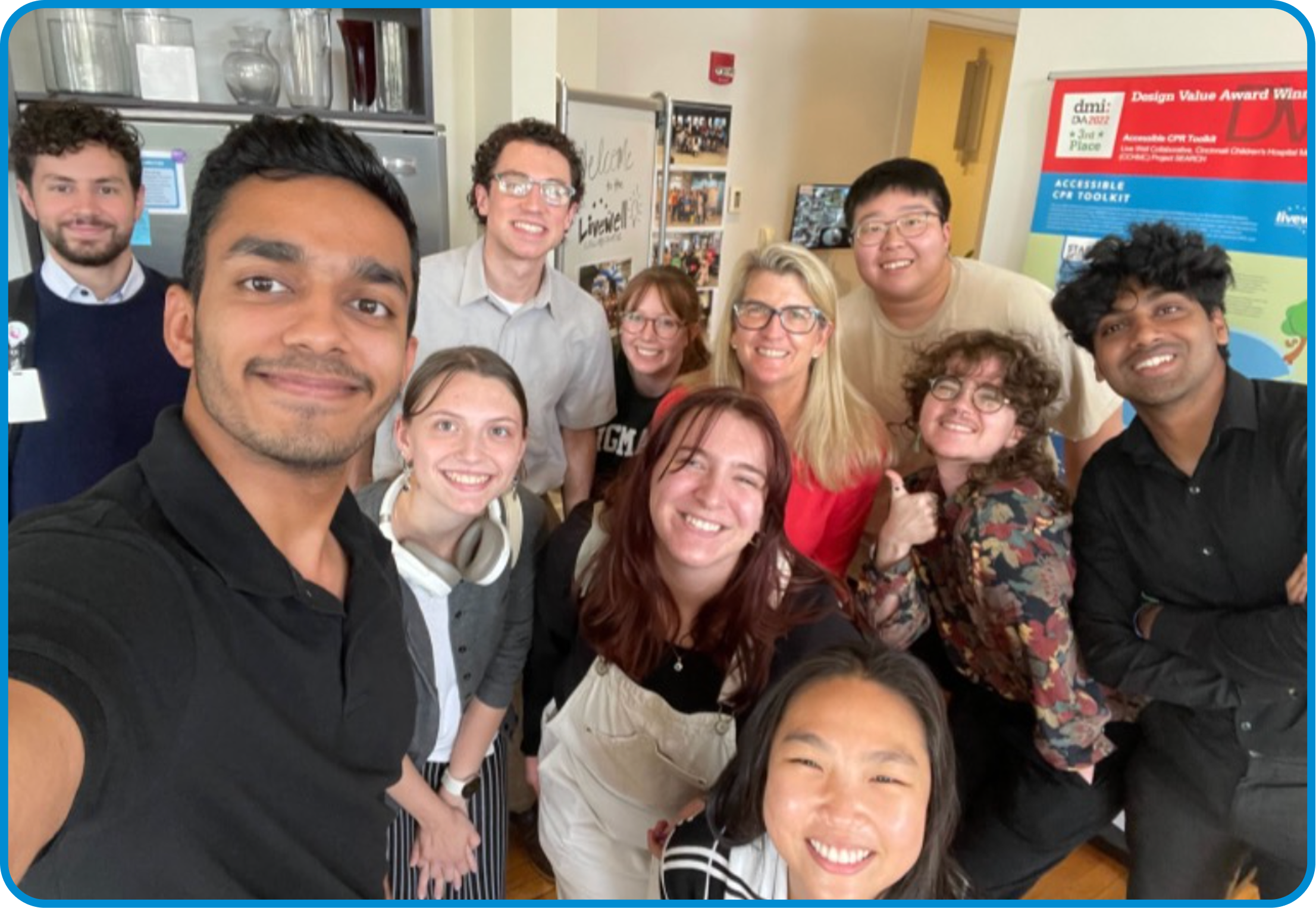
One of Live Well’s most valuable assets is its commitment to collaboration across discplines. Each team brings together students from a range of majors, such as design, business, engineering, and health sciences, who contribute diverse perspectives and skillsets.
Thank you Live Well.